Key Takeaways:
Choosing the right crusher depends on your material type, desired output and production goals. Jaw crushers are best for primary crushing of large, hard materials. Cone crushers excel at secondary and tertiary crushing where consistency and shape matter. Impact crushers work well for softer or medium-hard materials when you need a cubical final product. Evaluating feed size, hardness, maintenance costs, and production needs will help determine the right machine for your aggregate project.
Crushing equipment is the heart of most aggregate operations. Whether you’re producing road base, asphalt aggregate or concrete stone, the crusher you choose has a major impact on efficiency, product quality and overall profitability.
While all crushers break rock into smaller pieces, the way they do it and the results they produce can vary significantly. The three most common types are jaw crushers, cone crushers and impact crushers. Each type uses a different mechanism and is suited for specific stages of the crushing process.
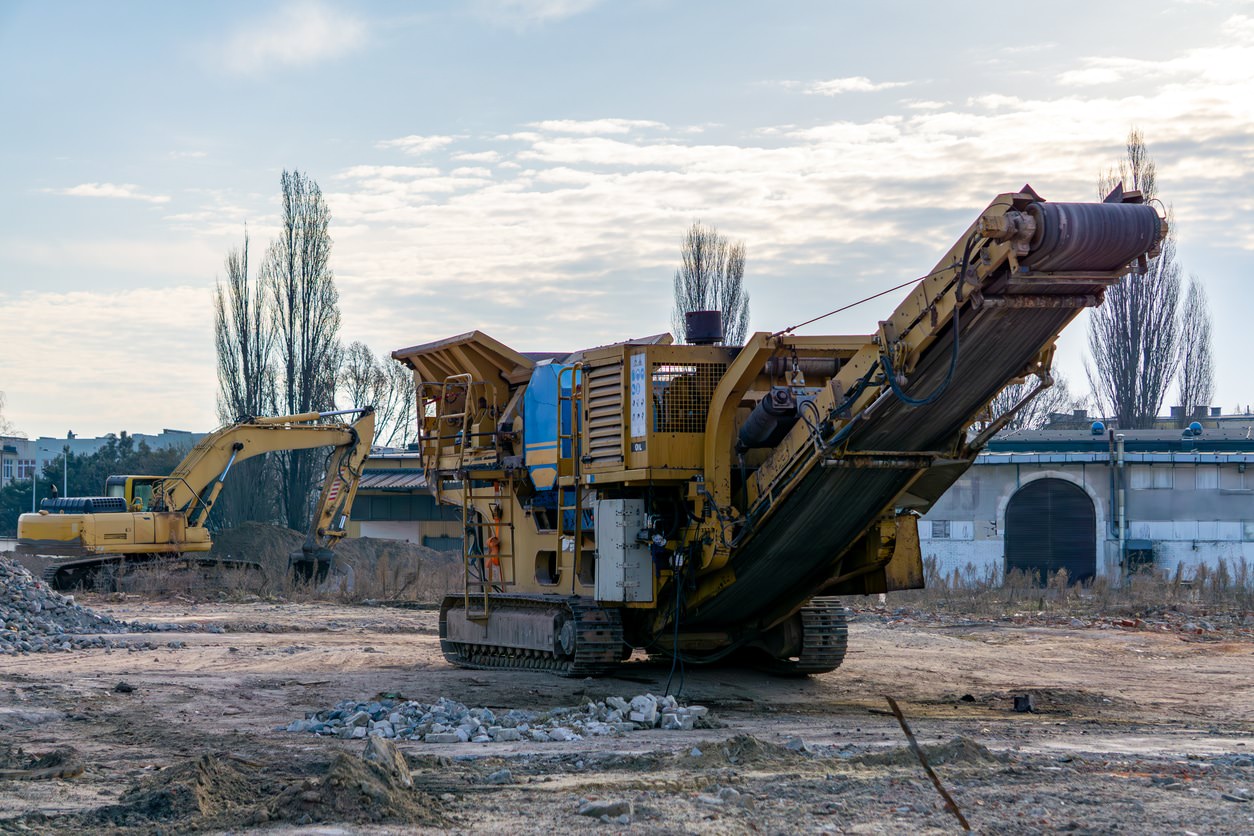 Jaw crushers use a pair of plates – one fixed and one that moves back and forth – to compress large pieces of rock. As the rock is squeezed, it fractures and breaks into smaller pieces that can be processed further down the line.
This type of crusher is ideal for the primary stage, where material from the quarry or job site is first introduced for size reduction.
Jaw crushers are typically the best option for:
Advantages of jaw crushers include:
However, there are also some drawbacks to jaw crushers:
If your project starts with big, tough material and you simply need to break it down to manageable sizes, a jaw crusher is often the right choice.
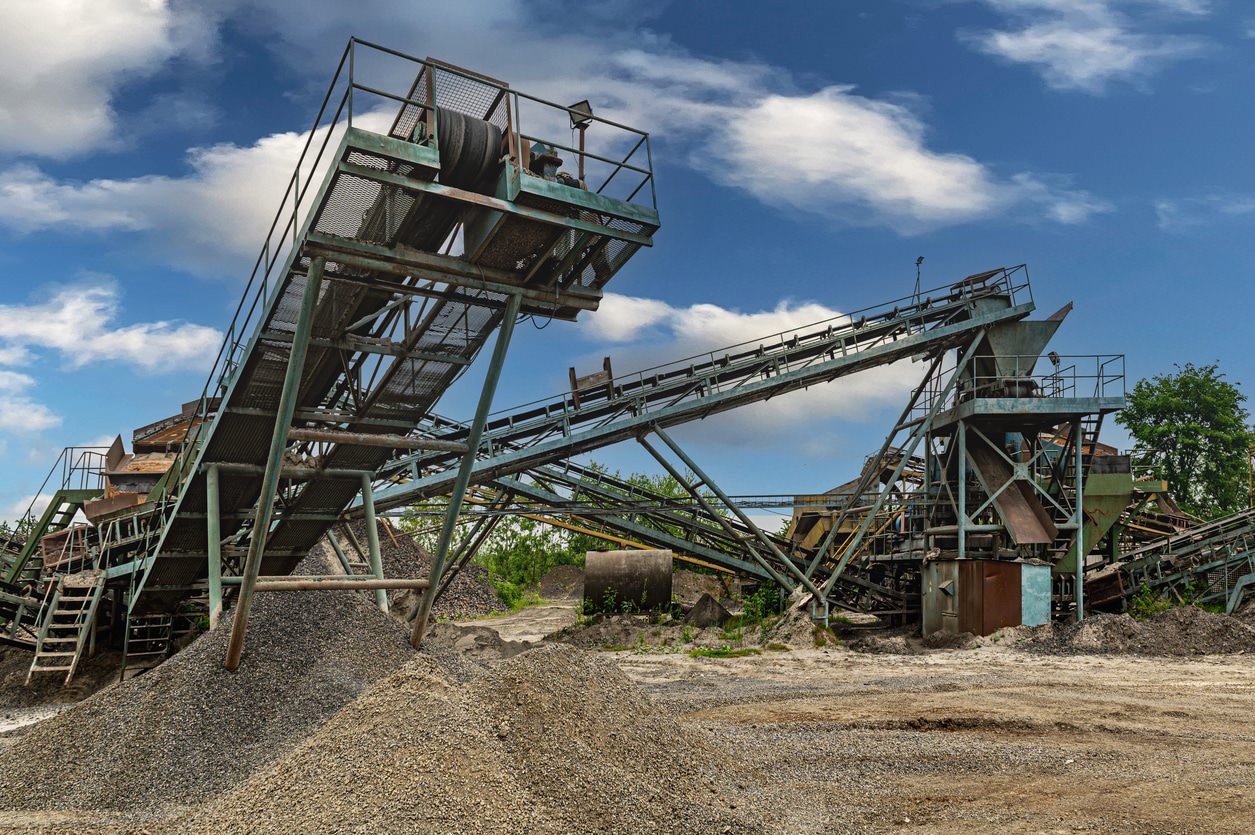 Cone crushers are compression crushers that squeeze material between a rotating mantle and a stationary concave liner. This setup produces consistent, high-quality aggregate with excellent control over particle size and shape.
They are commonly used in the secondary or tertiary crushing stage, after the initial size reduction is performed by a jaw crusher.
Cone crushers are typically the best option for:
Advantages of cone crushers include:
Some of the primary drawbacks of cone crushers include:
Cone crushers are a great choice for businesses that prioritize consistency, shape and efficiency in their aggregate production.
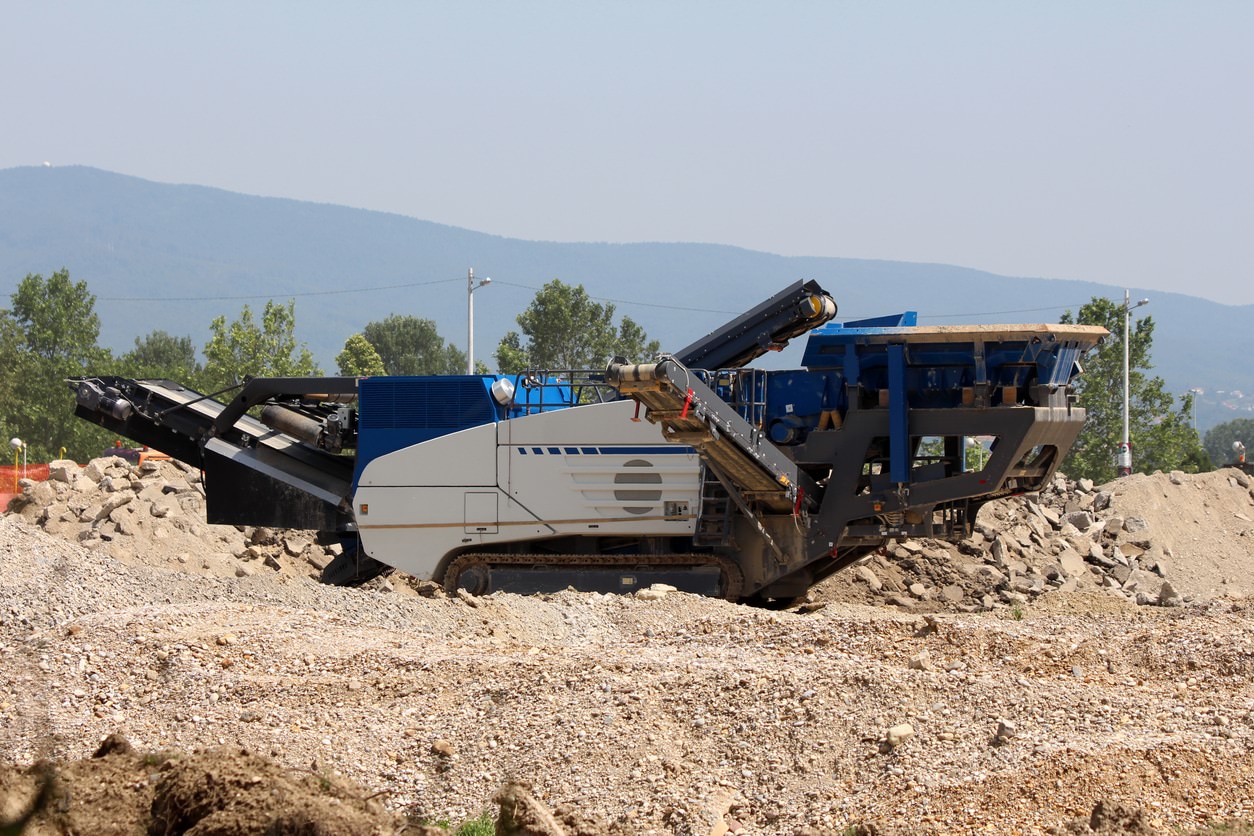 Impact crushers use high-speed impact rather than pressure to break material. A rapidly spinning rotor hurls material against impact plates or other rocks in the chamber, causing it to fracture and shatter.
This process produces a very cubical, well-shaped aggregate, making impact crushers ideal for applications where appearance and gradation matter.
Impact crushers are typically the best option for:
Advantages of impact crushers include:
There are also several drawbacks associated with impact crushers:
If your goal is a premium, cubical end product, an impact crusher can deliver outstanding results.
Selecting between jaw, cone and impact crushers depends on several operational factors. Evaluating these will ensure you choose equipment that fits both your production goals and your budget.
| Factor | Jaw Crushers | Cone Crushers | Impact Crushers |
|---|---|---|---|
| Crushing stage | Primary | Secondary / Tertiary | Primary / Secondary / Tertiary |
| Material hardness | Hard, abrasive | Hard, abrasive | Medium to soft |
| Feed size | Large | Medium | Small to medium |
| Output shape | Coarse, angular | Uniform, consistent | Cubical |
| Maintenance | Low | Moderate | Higher (wear parts) |
| Operating cost | Lower | Moderate | Higher (wear dependent) |
| Ideal for | Initial reduction | Shaping and gradation | Recycled materials, high shape quality |
When determining the right type of crusher for your aggregate operations, make sure to ask the following questions:
By answering these, you can narrow down which crusher type, or combination of crushers, best fits your operation.
When evaluating crushers, it’s important to look beyond the purchase price. Wear parts, energy use and downtime all affect the long-term cost of your equipment:
Always discuss wear part availability, maintenance intervals, and technical support with your aggregate equipment dealer before purchase. Preventive maintenance and operator training often save more money than cutting corners on equipment.
 There’s no one-size-fits-all crusher. Jaw crushers, impact crushers and cone crushers all play a unique role in aggregate production:
Understanding the nature of your material, output goals and operational priorities will lead to the right investment. With the right combination of equipment, you’ll maximize efficiency, reduce downtime and ensure your aggregate products meet your performance and profitability standards.
For many aggregate producers, the most efficient setup often involves a combination of machines such as a jaw crusher feeding a cone or impact crusher downstream. This approach ensures you capture the strengths of each design while producing the quality and quantity of aggregate material your business demands.
If you need to upgrade your crusher fleet, Power Equipment Company can help. We’ve been the leading aggregate equipment dealer in the Rocky Mountain region since 1936, and our team of knowledgeable experts can recommend the right equipment for your specific applications.
In addition to providing the guidance you need when choosing between jaw, cone and impact crushers, our team is committed to helping you maximize the lifespan of your equipment. We’re always available to provide the repair and maintenance services you need to ensure your crushers continue running properly and efficiently for years to come.
If new crushers aren’t in your budget, we can still help. We offer an extensive line of used equipment and can set you up with high-quality, well-maintained used crushers if this option is more in line with your budget. Just looking for a crusher for a one-off job? We’ve got you covered there too with our rental fleet of crushing equipment.
Contact us today to learn more about our crushing equipment for sale and rent. Power Equipment Company has branch locations throughout Colorado, New Mexico, Utah, Wyoming and Missouri.
